
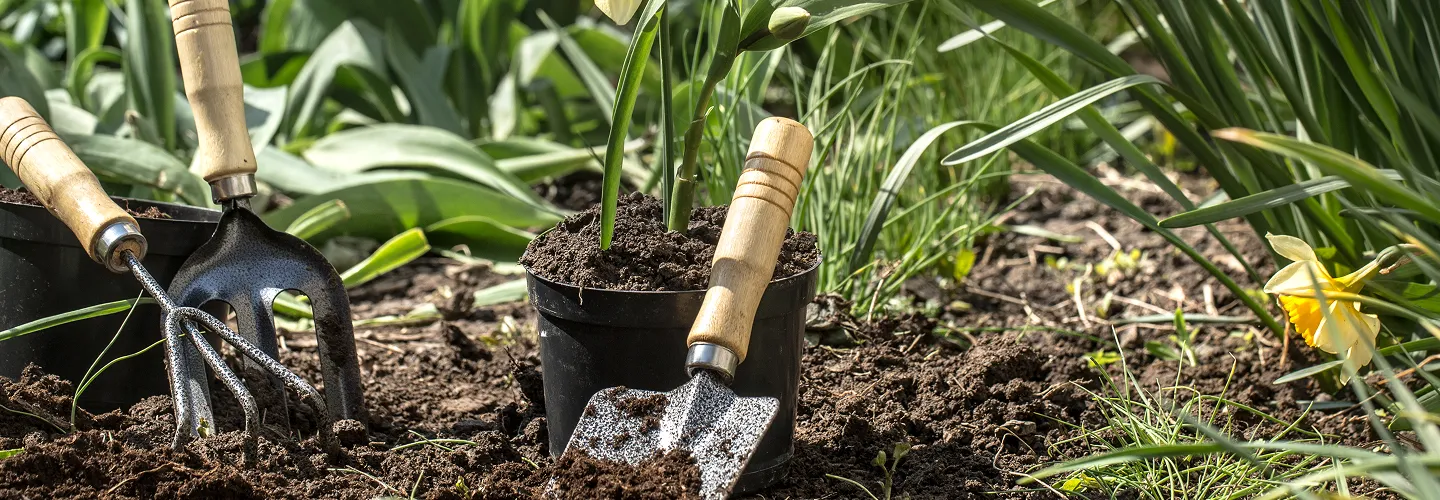
Harlem Lawn Renovation Services
Choose our Lawn Renovation services for a lush, healthy yard—our experienced team uses proven techniques and premium materials to restore your lawn’s beauty and resilience, ensuring long-lasting results you’ll love.
Get a Free QuoteOur Harlem Landscaping & Yard Care Services
When to Schedule Lawn Renovation in Harlem, Georgia – Seasonal Guide
Timing your lawn renovation in Harlem, Georgia is crucial for achieving a lush, healthy yard that thrives year-round. The best periods for renovation typically fall in early spring and early fall, when temperatures are moderate and rainfall is more predictable. Harlem’s climate, characterized by warm, humid summers and mild winters, means that soil temperatures and moisture levels play a significant role in determining the success of seeding, aeration, and other renovation tasks.
Local factors such as the proximity to the Savannah River, the shade provided by mature oaks in neighborhoods like North Louisville Street, and the sandy-loam soils common in the area all influence the ideal renovation window. Homeowners should also consider the last frost date—usually in late March—and the risk of summer droughts, which can impact new grass establishment. For more information on local environmental guidelines, visit the official municipal resource.
Local Factors to Consider for Lawn Renovation in Harlem
- Tree density and shade coverage, especially in established neighborhoods
- Soil type and drainage, with sandy-loam being prevalent in Harlem
- Seasonal precipitation patterns and risk of drought
- Terrain variations, such as sloped yards near Harlem Middle School
- Municipal restrictions or watering schedules
- Proximity to natural features like the Savannah River
Benefits of Lawn Renovation in Harlem

Expert Local Landscaping Team
Customized Lawn Solutions
Eco-Friendly Lawn Practices
Fast and Reliable Service
Competitive Pricing
Enhanced Curb Appeal
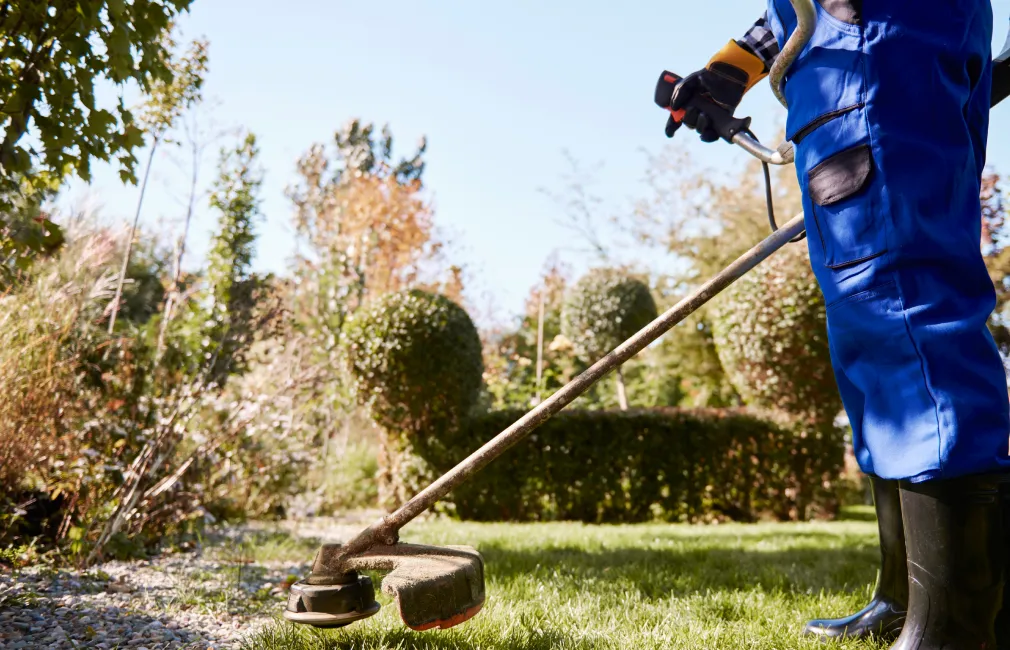
Harlem Lawn Renovation Types

Sod Installation
-
Seeding and Overseeding
-
Lawn Aeration
-
Soil Amendment
-
Weed and Pest Control
-
Dethatching
-
Irrigation System Upgrades
Our Lawn Renovation Process
Site Evaluation
Soil Preparation
Seeding or Sodding
Watering and Fertilization
Ongoing Maintenance
Why Choose Harlem Landscape Services
-
Harlem Homeowners Trust Us
-
Expert Lawn Maintenance
-
Competitive Pricing
-
Professional Team
-
Satisfaction Guarantee
-
Personalized Service
-
Reliable Scheduling
Harlem's Piedmont-Edge Soils and Their Impact on Lawn Renovation Success
Harlem sits in Columbia County along the transition between Georgia's Piedmont and Upper Coastal Plain regions, placing it within USDA Hardiness Zone 8b. The predominant soils in and around Harlem include the Cecil, Appling, and Toccoa series—characterized by sandy loam surface layers over red clay subsoils with moderate to poor internal drainage. These conditions directly affect lawn renovation outcomes. Before seeding or sodding, property owners should assess the following site factors:
- Soil pH: Piedmont-edge soils in this area typically range from 5.0 to 6.0, often requiring lime amendment to reach the 6.0–6.5 range preferred by warm-season turfgrasses.
- Compaction depth: Older residential lots in Harlem frequently exhibit compacted clay at 3–6 inches below grade, restricting root development unless core aeration is performed prior to renovation.
- Drainage class: Cecil and Appling soils drain moderately well on slopes but can hold excess moisture in flat or low-lying areas, increasing disease risk for newly established turf.
Residents can verify their specific soil series and drainage classification through the USDA Web Soil Survey. The UGA Cooperative Extension also offers soil testing through county offices, providing pH, nutrient, and lime-requirement data essential for planning any lawn renovation project in Harlem.
Optimal Seeding and Sod Installation Windows for Harlem's Growing Season
Harlem's long warm season—typically extending from mid-April through mid-October—creates specific timing windows that determine whether a lawn renovation succeeds or fails. The National Weather Service Augusta-area forecast office provides localized frost date and temperature data that property owners should consult before scheduling renovation work. Key timing guidelines include:
- Bermudagrass sod or seed: Install between mid-May and mid-July, when soil temperatures consistently exceed 65°F at a 4-inch depth. This allows 60–90 days of active growth before fall dormancy.
- Zoysiagrass sod: Best laid from late April through June, as zoysia establishes more slowly and benefits from the full warm season ahead.
- Centipedegrass seed: Sow from late May through June; centipede requires warm, moist conditions and is less tolerant of early-fall cold snaps.
- Tall fescue overseeding (for transitional lawns): Seed from mid-September through mid-October, when nighttime temperatures drop below 65°F and soil moisture improves.
Avoid renovation during Harlem's peak summer heat in July and August unless supplemental irrigation is available, as daytime highs regularly exceed 95°F and newly established turf is highly vulnerable to drought stress during this period.
How Harlem's Tree Board and Code Enforcement Affect Lawn Renovation Projects
Lawn renovation in Harlem may intersect with municipal oversight when projects involve grading changes, tree root zones, or properties that have fallen into code non-compliance. The Harlem Tree Board provides guidance on tree preservation and urban forestry standards that are relevant when renovation work occurs beneath or adjacent to mature canopy. Disturbing soil within the drip line of protected trees—through tilling, grading, or heavy equipment operation—can damage root systems and may trigger review by the Tree Board.
Properties with overgrown or deteriorated turf areas may also be subject to action by the Harlem Code Enforcement Department, which enforces local codes related to property maintenance and vegetation standards. Residents planning a full lawn renovation on a neglected property should consider the following steps:
- Contact Code Enforcement to confirm whether any active violations exist on the property before beginning work.
- Consult the Tree Board if renovation requires soil disturbance within 10 feet of any significant tree trunk.
- Coordinate with the Harlem Planning and Zoning Department if grading or drainage modifications are part of the renovation scope, as land disturbance may require review depending on project size and proximity to drainage infrastructure.
Harlem Code Enforcement Department
122 West Milledgeville Road, Harlem, GA 30814
Phone: (706) 449-4411
Official Website: Harlem Code Enforcement Department
Harlem Tree Board
122 West Milledgeville Road, Harlem, GA 30814
Phone: (706) 449-4411
Official Website: Harlem Tree Board
Protecting Harlem's Drainage Infrastructure and Stormwater Inlets During Renovation
Lawn renovation activities—particularly soil amendment, grading, and seeding—generate loose sediment that can migrate into Harlem's stormwater drainage system during rain events. Columbia County and the City of Harlem operate within the regulatory framework of the Georgia EPD Watershed Protection Branch, and sediment discharge into local waterways is regulated under the Clean Water Act and the EPA NPDES Program. Property owners and contractors performing lawn renovation should implement the following erosion and sediment controls:
- Silt fencing or straw wattles around exposed soil areas, especially on lots that slope toward streets, ditches, or storm drain inlets.
- Straw or erosion-control blankets over freshly seeded areas to prevent soil loss before germination, which typically takes 10–21 days for warm-season grasses in Harlem's climate.
- Staged renovation on larger properties, limiting the area of exposed soil at any one time to reduce runoff risk.
- Avoid fertilizer application within 25 feet of any drainage ditch, stormwater inlet, or creek corridor to prevent nutrient loading.
Harlem's proximity to Abilene Creek and other small tributaries within the Savannah River watershed makes sediment and nutrient management particularly important. The Harlem Public Works Department maintains local drainage infrastructure and should be contacted if renovation work will occur adjacent to city-maintained ditches or stormwater conveyances.
Harlem Public Works Department
122 West Milledgeville Road, Harlem, GA 30814
Phone: (706) 449-4411
Official Website: Harlem Public Works Department
Georgia Fertilizer and Soil Amendment Regulations Relevant to Lawn Renovation
Any lawn renovation project in Harlem that involves fertilizer application, lime spreading, or pre-emergent herbicide use must comply with state-level regulatory requirements. The Georgia Fertilizer Act of 1997 governs the labeling, sale, and distribution of fertilizer products, while the Georgia Pesticide Use and Application Act of 1976 requires that any commercial applicator applying herbicides or pesticides as part of a renovation project hold a valid Georgia pesticide applicator license issued through the Georgia Department of Agriculture. Key compliance points for Harlem residents include:
- Soil testing before fertilization: UGA Extension recommends testing soil every 2–3 years. Applying fertilizer without a current soil test risks over-application, nutrient runoff, and potential violation of water quality standards.
- Starter fertilizer timing: Apply phosphorus-containing starter fertilizer only at the time of seeding or sodding, and only at rates indicated by soil test results—typically 1.0–1.5 lbs of nitrogen per 1,000 sq ft for establishment.
- Pre-emergent herbicide restrictions: Products containing atrazine, simazine, or prodiamine must be applied according to label rates and setback requirements, particularly near wells and surface water.
- Lime application: Harlem's acidic soils frequently require 30–50 lbs of pelletized lime per 1,000 sq ft, but exact rates should be based on soil test buffer pH values.
Property owners hiring contractors for lawn renovation should verify that the contractor holds current Georgia pesticide licensing if any chemical applications are included in the scope of work.
What Neighborhoods Do We Serve Throughout Harlem, GA?
- Downtown Harlem / West Milledgeville Road Corridor: Older residential lots with mature hardwoods, compacted clay soils, and smaller frontages that often require targeted renovation approaches including shade-tolerant turf selection and careful root-zone management near established trees.
- Sawmill Road Area: A mix of established homes and newer development on gently rolling terrain with Cecil-series soils; lawn renovation here frequently involves addressing compaction from construction activity and correcting drainage grading on recently developed parcels.
- North Harlem / Highway 78 Vicinity: Properties along this corridor tend toward larger lots with full-sun exposure, making them well-suited for bermudagrass renovation but requiring attention to roadside stormwater ditches and right-of-way visibility during establishment.
- Appling-Harlem Road Neighborhoods: Semi-rural residential properties with sandy loam topsoils transitioning to clay at depth; renovation projects benefit from deep core aeration and organic matter incorporation to improve moisture retention.
- Bel-Air Estates and Surrounding Subdivisions: Planned residential areas with HOA-maintained common spaces where lawn renovation must account for neighborhood aesthetic standards, irrigation system compatibility, and coordinated timing to minimize disruption to adjacent properties.
- Abilene Creek Vicinity: Properties near this drainage corridor require heightened erosion control during renovation, including sediment barriers and buffer-zone awareness to protect water quality in the Savannah River watershed.