
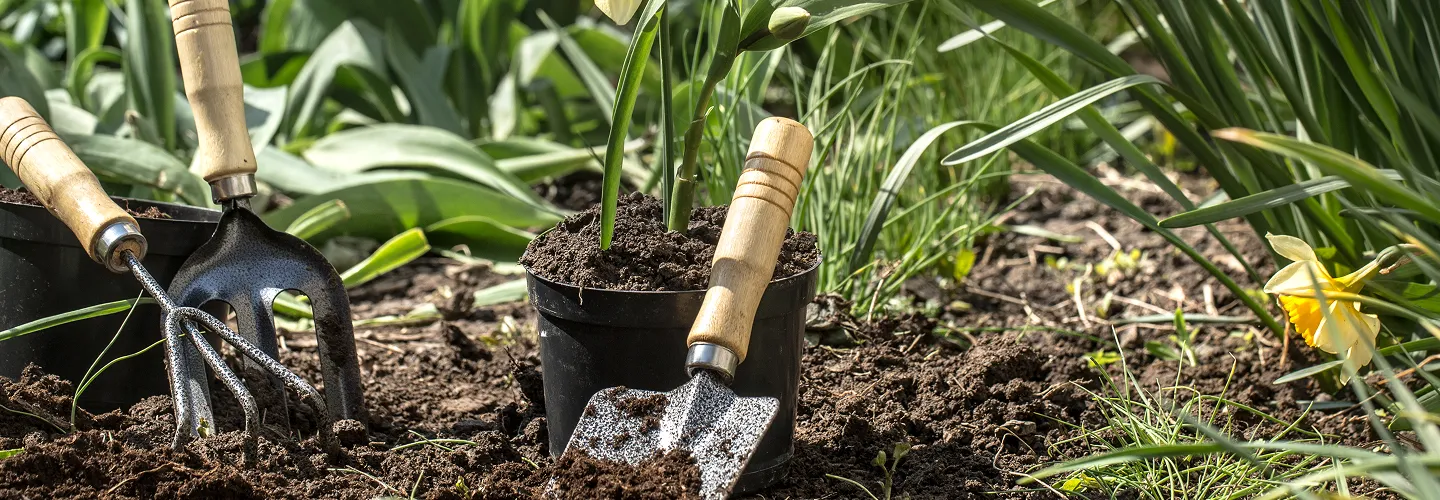
Harlem Flower Bed Maintenance Services
Choose our expert Flower Bed Maintenance for lush, healthy blooms and a garden that always looks its best—enjoy professional care, reliable service, and beautiful results you can count on.
Get a Free QuoteOur Harlem Landscaping & Yard Care Services
When to Schedule Flower Bed Maintenance in Harlem, Georgia – Seasonal Guide
In Harlem, Georgia, the best times for flower bed maintenance are closely tied to our unique climate and local landscape features. Early spring, just after the last frost date, is ideal for cleaning beds, refreshing mulch, and planting annuals, while late fall is perfect for preparing perennials and bulbs for winter. The region’s humid summers and occasional droughts, especially in neighborhoods near Harlem City Park or along North Louisville Street, mean that timing your maintenance can make a significant difference in plant health and curb appeal.
Local soil types, ranging from sandy loam to heavier clay, influence how often beds need attention, as does the amount of shade from mature trees common in areas like Sawdust Road. Be mindful of municipal watering restrictions and seasonal precipitation patterns, which can affect when and how you maintain your beds. For more information on local guidelines, visit the official city resource.
Local Factors to Consider for Flower Bed Maintenance in Harlem
- Tree density and shade coverage in your yard
- Soil type (sandy, loamy, or clay)
- Proximity to landmarks like Harlem City Park or residential developments
- Average precipitation and drought risk
- Local frost dates and temperature swings
- Municipal watering restrictions or ordinances
- Terrain and drainage patterns
Benefits of Flower Bed Maintenance in Harlem

Enhanced Curb Appeal
Weed and Pest Prevention
Healthier Plant Growth
Seasonal Color Management
Professional Expertise
Time and Effort Savings
Harlem Flower Bed Maintenance Types

Seasonal Flower Planting
-
Weed Control Services
-
Soil Amendment and Fertilization
-
Mulching and Edging
-
Pruning and Deadheading
-
Pest and Disease Management
-
Irrigation System Maintenance
Our Flower Bed Maintenance Process
Site Evaluation
Weed Removal
Soil Preparation
Plant Care
Mulching
Why Choose Harlem Landscape Services
-
Harlem Homeowners Trust Us
-
Expert Lawn Maintenance
-
Competitive Pricing
-
Professional Team
-
Satisfaction Guarantee
-
Personalized Service
-
Reliable Scheduling
Harlem's Piedmont-Edge Soils and Their Impact on Flower Bed Drainage and Preparation
Harlem sits in Columbia County along the transition between Georgia's Piedmont plateau and the upper Coastal Plain, placing it within USDA Hardiness Zone 8b. The predominant soils in the Harlem area include the Cecil, Appling, and Vaucluse series—well-drained to moderately well-drained sandy loam and sandy clay loam soils that are typically acidic, often registering a pH between 4.8 and 6.0. These conditions directly affect flower bed performance. Before establishing or renovating beds, property owners should conduct a soil test through the UGA Cooperative Extension Columbia County office to determine precise pH, phosphorus, and potassium levels. Key soil preparation steps for Harlem flower beds include:
- Amending acidic soils with pelletized lime at rates guided by soil test results, typically 25–50 pounds per 1,000 square feet for moderate correction
- Incorporating 2–3 inches of composted organic matter to improve moisture retention in sandy upper horizons
- Avoiding over-tilling clay subsoil layers, which can create hardpan and impede root development
- Verifying drainage by observing water movement after heavy rain events, which average approximately 45–48 inches annually in the Augusta-Harlem corridor
Residents can access detailed soil mapping for their parcels through the USDA Web Soil Survey.
How Harlem's Tree Board Guidance Affects Flower Bed Landscaping Standards
Property owners planning flower bed installations or significant modifications in Harlem should be aware that the city maintains a Tree Board that provides guidance on urban forestry, landscaping standards, and the management of community green spaces. When flower bed work involves the removal, relocation, or root disturbance of established trees—particularly within public rights-of-way or near city parks—coordination with the Tree Board may be required. Harlem's Code Enforcement office also monitors property maintenance and zoning compliance, which can include the condition and upkeep of visible landscape beds along frontage areas. Residents should verify current requirements before undertaking large-scale bed renovations that alter existing tree canopy or affect drainage patterns on adjacent properties. Key considerations include:
- Avoiding root zone excavation within the drip line of mature trees when installing raised beds or edging
- Confirming that bed materials and structures comply with any applicable setback or visibility requirements along sidewalks and roadways
- Reporting overgrown or neglected beds that may constitute nuisance vegetation under local code
Harlem Tree Board
Official Website: Harlem Tree Board
Harlem Code Enforcement Department
Official Website: Harlem Code Enforcement
Seasonal Planting Windows and Heat-Tolerant Bed Plant Selection for Harlem
Harlem's long, warm growing season—with average last frost dates near mid-March and first frost dates in mid-November—provides an extended window for flower bed planting and maintenance. However, the intense summer heat, with daytime highs frequently exceeding 95°F from June through August, demands careful species selection and planting timing. The UGA Cooperative Extension recommends the following seasonal approach for flower beds in the central-east Georgia climate:
- Spring annuals (plant mid-March through April): petunias, snapdragons, dianthus, and pansies for early-season color before heat intensifies
- Summer annuals (plant May through early June): lantana, pentas, vinca (Catharanthus roseus), zinnias, and coleus, all of which tolerate Harlem's sustained heat and humidity
- Fall plantings (plant September through October): ornamental kale, mums, and asters for late-season displays
- Perennial bed anchors: daylilies, coneflowers (Echinacea), black-eyed Susans (Rudbeckia), and salvia, which are well-adapted to Zone 8b conditions and acidic Piedmont-edge soils
Mulching beds with 2–3 inches of pine straw or shredded hardwood bark after planting helps regulate soil temperature and conserve moisture during Harlem's driest periods, typically late summer and early fall. Avoid piling mulch against plant stems, which promotes crown rot in humid conditions.
Protecting Harlem's Stormwater Infrastructure During Flower Bed Fertilization and Mulching
Flower bed maintenance activities—particularly fertilizer application, soil amendment spreading, and mulch installation—can contribute to stormwater pollution if materials migrate into street gutters, drainage ditches, or storm inlets. Harlem's stormwater system ultimately discharges into local tributaries within the Savannah River watershed, which falls under the regulatory oversight of the Georgia EPD Watershed Protection Branch and federal Clean Water Act standards enforced through EPA Region 4. Property owners and maintenance professionals should observe the following precautions:
- Sweep any granular fertilizer or lime that lands on sidewalks, driveways, or streets back into the bed area immediately after application
- Apply fertilizers only when rain is not forecast within 24–48 hours to prevent nutrient-laden runoff
- Use slow-release fertilizer formulations, which reduce the risk of nitrogen and phosphorus leaching into groundwater or surface water
- Secure loose mulch on sloped beds with edging or containment borders to prevent washout during heavy rain events
- Avoid stockpiling soil, compost, or mulch near storm drain inlets or roadside ditches
The Harlem Public Works Department oversees city infrastructure including stormwater conveyance systems. Residents who observe blocked or damaged storm inlets near flower bed areas should report conditions promptly.
Harlem Public Works Department
Official Website: Harlem Public Works
Coordinating Flower Bed Waste Disposal Through Harlem's Municipal Services
Routine flower bed maintenance generates organic waste including spent annuals, pruned perennial stems, pulled weeds, old mulch, and displaced soil. Property owners in Harlem should manage this material in compliance with local disposal expectations rather than depositing it in roadside ditches or drainage easements. Columbia County provides waste management services in the Harlem area, and residents should verify current yard waste collection schedules and accepted materials with the county or city. General guidance for flower bed waste handling includes:
- Bag or bundle organic bed debris separately from household trash
- Do not place soil, rocks, or hardscape materials in yard waste containers, as these are typically excluded from green waste collection
- Compost healthy plant material on-site where feasible; avoid composting diseased plants, which can harbor pathogens such as root rot fungi or bacterial wilt
- Dispose of any chemical containers—fertilizer bags, pesticide bottles—according to label instructions and Georgia Department of Agriculture guidelines under the Georgia Pesticide Use and Application Act of 1976
For questions about green waste placement, collection timing, or disposal of large volumes of bed renovation debris, contact the Harlem Community Development Department for current guidance.
Harlem Community Development Department
Official Website: Harlem Community Development
What Neighborhoods Do We Serve Throughout Harlem, GA?
- Downtown Harlem / North Louisville Street Corridor: Older residential lots with mature hardwoods and established foundation beds that often require soil amendment, shade-tolerant plant selection, and careful root-zone management around large trees.
- Walnut Lane and Surrounding Subdivisions: Newer residential development with compacted fill soils common to recent construction; flower beds in these areas frequently need organic matter incorporation and improved drainage before planting.
- Appling-Harlem Road Area: Properties along this corridor feature larger lots with mixed sun and partial shade exposure, well-suited for diverse perennial and annual bed designs but subject to sandy loam drainage patterns that accelerate soil drying.
- Bel Air Estates and Adjacent Neighborhoods: Established subdivision lots with moderate tree canopy and HOA-maintained common areas where bed appearance standards and frontage upkeep expectations may apply.
- Harlem City Parks and Greenway-Adjacent Properties: Homes near Harlem City Parks and public green spaces should exercise particular care with fertilizer and mulch runoff to protect shared recreational areas and any nearby drainage features.
- Rural-Edge Properties Within City Limits: Parcels along Harlem's southern and western boundaries often feature Vaucluse or Appling series soils with variable drainage; deer and wildlife pressure on flower beds is more common in these transitional areas, and physical barriers or deer-resistant species such as lantana, rosemary, and ornamental grasses may be advisable.